
Walking Safari Tanzania: Experience The Wild On Foot
Step Into The Heart
Of The African Wilderness
Discover Tanzania beyond the safari vehicle with guided walking safaris that bring you closer to nature, wildlife, and the rhythms of the African bush.
Walking Safaris:
Sensing the Soil
A walking safari is not an intensive hike or standard military march. It is a slow, quiet, highly immersive journey of discovery. By stepping down from the noisy, high-set safari vehicle, you enter the home of wild animals on their terms.
Under the guidance of an armed National Parks ranger and a professional naturalist, you will learn to read the rich, detailed story that the African wilderness writes every night in the sand.
Why Choose a Walking Safari?
Experience the African bush at its most transparent. Unpack our key advantages to understand how your journey transforms.
Closer Connection To Nature
Remove the steel barrier of the cruiser. Stand directly on the warm savannah silt, smelling wild sage and hearing bird calls without engine noise.
Learn Wildlife Tracking
Decipher nature's daily newsletter. Translate bent grass stems, animal dung moisture, and raw sand prints into active predator narratives.
Discover Hidden Details
Observe minor ecosystems: complex acacia ants, medicinal leaves used by local tribes, and beautiful bright bird nests missed from vehicles.
Incredible Photography Opportunities
Capture dramatic low-angle perspectives of giant trunks, tall giraffes backdropped by blue mountain ranges, and micro insect species.
Authentic Adventure
Experience safari the traditional way. Walk down the same wild tracks explored by historical naturalists over past centuries.
Small Group Experiences
Limited strictly to 6 guests per group to ensure high security, maximum group silence, and intimate dialogue with rangers.
Expert Native Guides
Led by certified first-class naturalists with over 15 years of tracking, trained to handle unexpected wildlife movements.
Unique Safari Memories
The thrill of locking eyes with an elephant herd from a dirt path creates memories that game drives simply cannot duplicate.
Tanzania's Premiere Walking Reserves
While walking is strictly managed inside crowded central parks, certain expansive reserves boast dedicated, highly-rated walking concessions.
Nyerere National Park
June to October (Dry winter wind brings massive herds close to shrinking waterbeds).Ruaha National Park
July to November (High clarity skies, cool nights, exceptional tracking soils).Tarangire National Park
August to October (The dry Tarangire River attracts wildlife from surrounding valleys).Arusha National Park
Year round (Excellent microclimates and refreshing mountain elevation breezes).Ngorongoro Conservation Area
January to April (Emerald pastures are carpeted with blooming wildflowers and baby wildebeest).What Safaris on Foot Reveal
From giant towers to microscopic architectures, discover the animal kingdoms encountered at ground level.
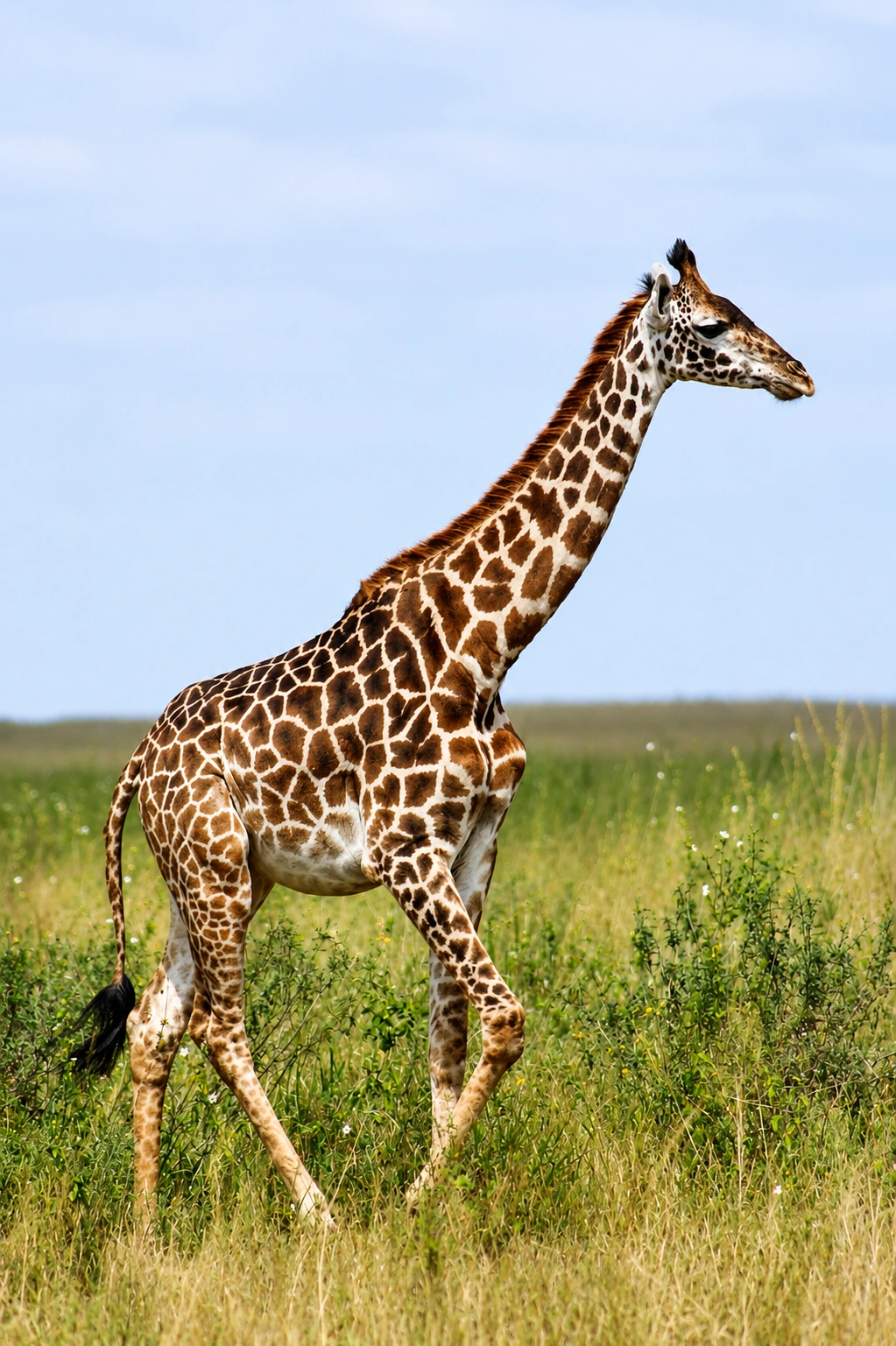
Giraffes
FaunaView these elegant tall giants browsing acacia treetops on foot, a humbling experience.
Zebras
FaunaObserve their striking black-and-white camouflage pattern up close and watch them communicate through soft snorts.
Antelopes
FaunaImpala, eland, and kudu leaping across thorn scrub with speed.
Cape Buffalo
FaunaTrack safe high-ground paths, observing massive ancient skull bosses in absolute group silence.
Birds of Prey
FaunaWitness massive martial eagles nesting on baobabs and high martial raptors scanning for prey.
Termite Architecture
MicroExamine tall dirt skyscrapers. Discover internal air vents and cooling chambers that inspired modern architecture.
Medicinal Trees
FloraDiscover how the local toothbrush tree (Salvadora persica) cleans gums, and use natural wild sage.
Animal Footprints
TrackingFresh wet lion impressions, heavy circular elephant prints, and heart-shaped giraffe lines on sandy paths.
Wildlife Signs
TrackingLearn to read rubbed bark from horns, nesting signals, and seed contents to map animal health.
Decipher the
Wild Sand Trails
Every animal leaves unique signatures behind. Click each species inside our virtual sandbox to inspect their print patterns and learn how our guides safely trace them.
African Lion Tracking
Large, rounded four-toe pad with no claws showing (felines keep claws retracted while walking standard paths). Front tracks are always larger than rear.
Look for wet, moist sand displaced along track walls. If the edge is slipping back into the pocket, the predator passed within the past 15 minutes.
Lions walk along game trails in single file to hide troop density. They pause near thick shrubs to sense wind draft cues.
If bird alarm call alerts break out (oxpeckers screaming, monkeys pointing), drop all noise. Check downwind instantly.
Walking Experience Timeline
Stepping out on foot is a highly structured, peaceful sequence. Walk through the typical early-morning progress of our signature trek:
Sunrise Briefing & Coffee
Gather around the campfire for freshly brewed organic Arusha coffee. Your expert armed ranger and naturalist discuss safety protocols, hand signals, and wind patterns.
Photography on Foot:
A Low Perspective
Without standard metal car hoods limiting your tripod, walking safaris allow you to lock straight eyes with your subjects. Capture massive acacia trunks silhouetted by the yellow sun, tiny dynamic butterflies, or dramatic animal steps on direct ground level.
Optimal Seasons for Walks
Tanzania struggles with heavy rainfall during certain spring periods, completely shifting path accessibility. Select a season to learn more:
Dry Winter Peaks
Cool, dry, and mosquito-free. Clear blue skies make for refreshing morning walking temperatures.
Walking Safari vs. Game Drive
While motor drives cover massive daily distances, walking safaris allow you to understand the true pulse of the earth.
Who is a Walking Trail designed for?
Guided walks are designed to satisfy particular travel profiles. Check if your desires align with our guidelines:
Intrepid Explorers
For those looking to challenge boundaries, move away from crowds, and stand on wild African territory.
Eco & Nature Lovers
Travelers intrigued by micro botany, termite architectures, and complex bird warnings.
Wildlife photographers
For creators seeking unique low perspectives backdropped by yellow sunrise light.
Repeat Safari Seekers
Those who have completed standard driving tours and desire a closer, slow connection.
Walking Safari Field Manual
Review our pre-trip checklists and gear secrets to ensure a seamless, high-standard wilderness stroll.
What to Wear
- • Muted Khaki/Olive shades: Avoid bright yellow or blue.
- • Durable walking boots: Checked ankle support is advised.
- • Long sleeve sun cotton: Helps block solar burns and scratches.
- • Breathable wide hat: Protects your face from glaring rays.
What to Bring
- • Light high-factor sun blocking: Essential for open trails.
- • Personal optics/binoculars: Vital to view distant antelope herds.
- • Insect repellant: Keep pesky insects at bay.
- • Compact camera bag: Comfortable shoulder straps advised.
Safari Etiquette
- • Follow ranger orders: Always walk behind the armed ranger.
- • Maintain silence: Speak in soft, low whispers when close to herds.
- • Pack-it-out focus: Zero litter, zero footprint damage of plant stems.
- • Stay with the group: Never run or venture away under visual blocks.
Design Your Perfect
Walking Trip Blueprint
Select your traveler metrics to calculate your recommended reserves, walking stage length, and checklist preparations.
Walking Safari Frequently Asked Questions
Direct, transparent answers from our native Tanzanian Naturalists.
Yes, walking safaris are highly secure because you are accompanied by an expert, certified naturalist and a highly professional, fully armed Tanzania National Parks (TANAPA) ranger. Before setting off, guests receive a comprehensive safety briefing on bush mechanics, wild encounter rules, and silent communication protocols.
While walking, you will observe magnificent giraffes, zebras, dynamic antelopes (impala, wildebeest, waterbuck), and majestic cape buffaloes from safe distances. You also trace microscopic flora, vibrant bird migrations, butterflies, and complex insect engineering that is impossible to appreciate from a motor vehicle.
Large plains animals are respected deeply. We keep ethical wind boundaries of 50 to 100 meters, which ensures the wildlife is not startled or disturbed. Our expert guides track physical warning signals and ear movements, allowing close-up, completely stress-free viewing.
No advanced mountaineering experience is required. Guided walks are deliberately slow, flat, and focused on discovery rather than physical speed. Any traveler with a basic, healthy stamina level can easily complete a typical 2 to 3 hour stroll.
We advise durable closed-toe hiking shoes, lightweight full-length cargo pants, long-sleeve cotton sun shirts, and breathable safari hats. Neutral colors (olive, khaki, brown, tan) are mandatory to blend into the landscape. Avoid bright colors and blue or black, which invite tsetse flies.
For safety reasons, most park authorities enforce a minimum age limit of 12 years inside dangerous predator territories. However, we coordinate custom kid-friendly tracks near secure, isolated ecolodges for families traveling with younger explorers.
The dry winter season (June to October) is ideal. High grasslands flatten out, enhancing visibility, and warm riverbeds attract large animal numbers. Early mornings are preferred for optimal temperature levels and beautiful golden photography light.
Related Wilderness Experiences
Discover further signature concessions curated by our local planners.
Why Walk with Kilimanjaro Africa Safaris?
We coordinate directly with park authorities, maintaining first-class security, fair-labour standards, and tailormade pathways.
Guides raised on this soil, with 15+ years of tracking expertise.
Every walk secured by a certified National Parks security ranger.
We restrict groups strictly to 4 to 6 guests to preserve silence.
We prioritise fair labour practices and clear safety planning for guides and rangers.
Ready To Explore
Tanzania On Foot?
Experience a side of Tanzania that few travelers ever see. Walk through the African wilderness with expert guides and discover wildlife, landscapes, and hidden details that cannot be experienced from a safari vehicle.