
Maasai Village Experience: Discover Tanzania's Living Culture
Experience The Rich Culture
Of The Maasai People
Step beyond wildlife safaris and discover one of East Africa's cultures through simple village visits, storytelling, and cultural exchange.
Who Are The Maasai?
Guardians of the Plains
The Maasai are a semi-nomadic group living in northern Tanzania and southern Kenya. Instantly recognizable by their bright red shúkàs and beautiful beaded jewelry, they are known for holding onto their traditional way of life.
The Maasai continue to live in harmony with the wild. Their community centers around their herds of cattle, their creator Enkai, and the dry grasslands, helping preserve the surrounding nature for generations.
What to Expect During Your Visit
We offer a respectful and simple cultural visit, welcoming you warmly into a local home.
Traditional Singing & Welcome
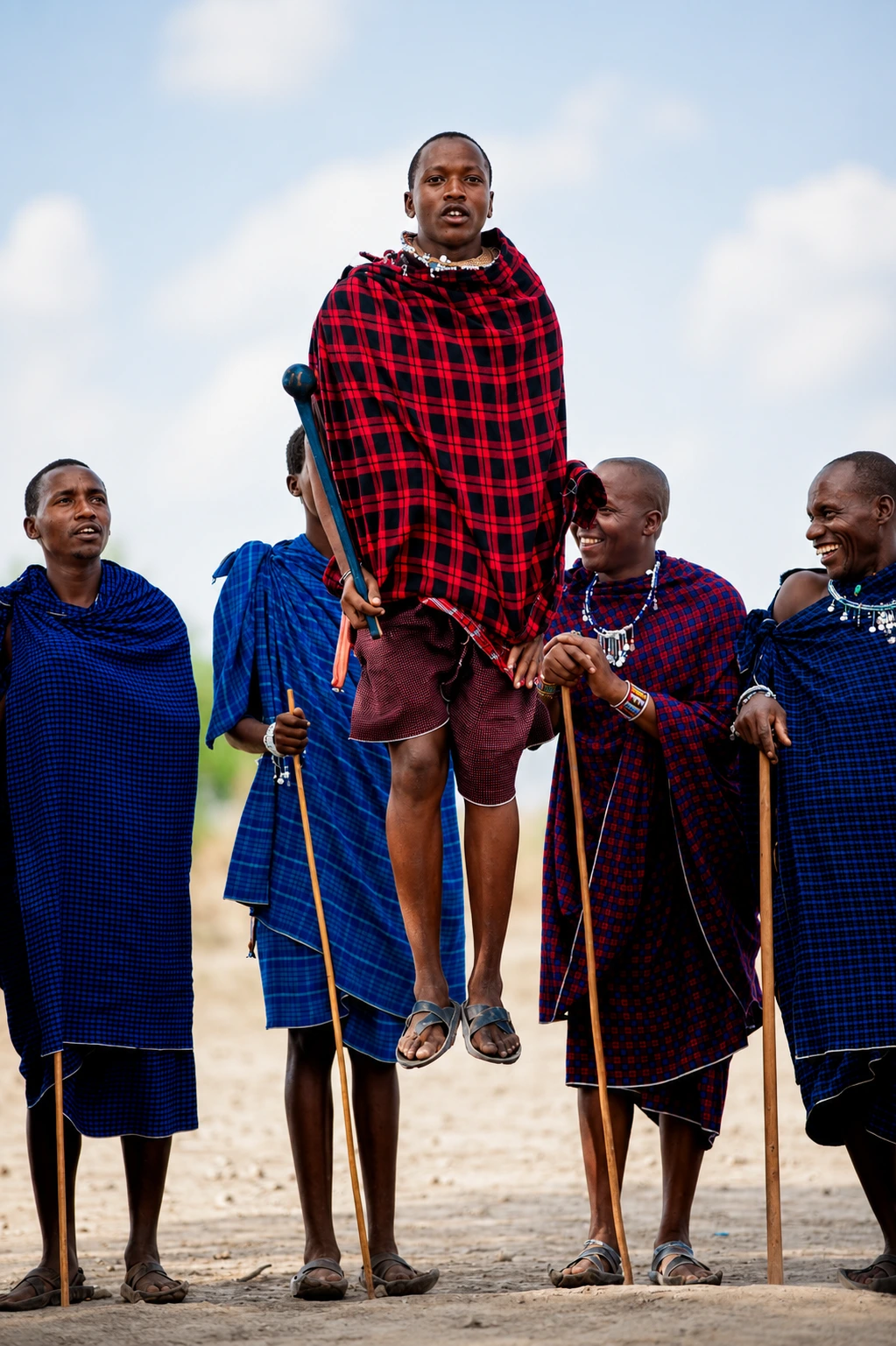
As you approach the thorny fence, hear rhythmic welcoming harmonies. Warriors and women greet you with the traditional adumu dance.
Guided Boma Architecture Walk
Walk beneath low-slung thatched structures. Discover how Maasai women build circular houses using branches, clay soil, and ashes.
Elder Storytelling in the Dark
Sit quietly around glowing wood fires inside clay homes. Hear ancient creation stories and local history directly from community elders.
Traditional Fire-Lighting
See how a cooking fire is started using dry wood, simple flat sticks, sand, and friction pressure.
Traditional Beadwork Designs
See the blue, white, and red beadwork. Learn how different colors represent health, peace, and achievements.
Community Cattle Corrals
Visit the heart of the homestead: the central corral. Learn why livestock is central to local life, food, and family heritages.
Mutually Respectful Interaction
Enjoy simple, real conversation. Share stories about school, herding challenges, and traditional crafts.
Traditional Plant Medicine Secrets
Walk around the homestead borders. See and smell local herbs used to soothe pain and help heal.
Why Do We Visit?
Fostering Human Understanding
A cultural visit is an opportunity for simple and respectful learning between different people.
Discover modern individuals who lead schools, practice law, and protect wildlife while holding onto their heritage.
Your visit fees directly support local food, water filters, and school funds.
Learn about local livestock herding and water conservation, and share stories about your home.
Sacred Traditions & Daily Life
Learn about the daily patterns, social structures, and traditions of the Maasai people.
The Adumu (Jumping Dance)
The celebratory jump performed by warriors. It demonstrates stamina, focus, and strength.
Warriors assemble in semi-circles, singing traditional choral notes, inviting individuals to enter the center and leap high.
Color Meanings in Beadwork
Every bead layout holds simple social indicators denoting age and status.
Red represents courage; Blue signifies water and rain; White represents milk; Yellow represents harvests.
The Cattle-Centric Economy
To the Maasai, cattle represent family heritage, providing milk and support.
Individual wealth is measured in cattle and children. Herd sizes help determine social standing.
Homestead Layout (The Boma)
Homesteads are organized in concentric circles surrounded by thorn fences to protect herds.
The central corral houses the calves and goats at night, surrounded by circular mud homes built by family members.
Age-Set Social Progression
A community structure where individuals transition through designated phases of life.
Each phase requires unique obligations and responsibilities, ensuring local wisdom passes down generations.
Oral Lore & Storytelling
Without written records, tribal history, ecology, and lessons are preserved and passed down through spoken stories.
Under the night skies, elders gather young children to share stories of the creator Enkai, wild animals, and local history.
Beadwork & Crafts:
Traditional Artistry
Maasai glass beads form a beautiful visual language. This beadwork is crafted by women using simple local materials.
Long ago, before trade glass beads arrived, the Maasai crafted jewelry from clay, bones, seeds, and shells. Each piece represents family and milestones.
Our Responsible Tourism Pledge
We design all visits with respect for the local community and ensure direct support to their families.
Ethical Financial Splits
We ensure up to 80% of all village entry fees go directly to communal village boards, funding clean water pipeline setups and medical clinics. Zero agency middleman cuts.
Strict No-Intervention Rules
We respect their daily grazing schedules, traditional ceremonies, and homestead boundaries. We never permit forced staging or fake commercial shows.
Dignity-First Education
Our native Maasai guides provide mutual teaching models. This is an exchange of equal humans, fostering authentic pride and cultural preservation.
Best Times for a Cultural Visit
While cultural visits are wonderful year-round, different seasons can affect the local roads and travel conditions.
Dry Season
Warm, comfortable afternoons (25°C) with crisp nights.
Excellent. Roads traversing the grasslands are dry and easy to travel.
Great wildlife viewing inside nearby Serengeti and Tarangire corridors.
A Learning Experience
For Kids & Families
A family visit is a wonderful way to help children learn about different cultures. Maasai homesteads are welcoming and safe for children of all ages.
Our host homesteads are safe and quiet, with experienced local guides.
Kids love learning about traditional wood fire sticks and herding.
Seeing how local children learn and live helps young minds grow.
Photography with Respect:
Ethics & Guidelines
Taking photos of local people is beautiful when done with respect and polite permission.
We believe in respectful photography. Our local guides will help you talk with residents first, ensuring every photo is taken with warm permission.
Frequently Asked Questions
Here are answers to some common questions about our cultural tours.
Related Tours
Combine your cultural visit with our other regional wildlife and photography tours.
Cultural Etiquette Guide
A simple guide to help you understand respect, photography, greetings, and local shopping during your visit.
Respectful Photography
Please do not take close-up photos of children, women, or elders without asking first. Your guide can help you ask for polite permission.
Why Travelers Trust Us
We operate under responsible travel standards, running simple community-focused tours.
Community Support Fund
Up to 80% of our experience fees support water filters and school funds.
Ethical Travel Code
We follow responsible travel codes, protecting family routines.
Experienced Local Guides
Guided by local Maa-speaking guides who offer real translation.
Easy Planning
Our Arusha team provides clear proposals quickly.
Ready To Experience
Tanzania's Living Heritage?
Discover the traditions, stories, and daily life of the Maasai people through simple visits that support local communities.